

Caduceus · Novedad
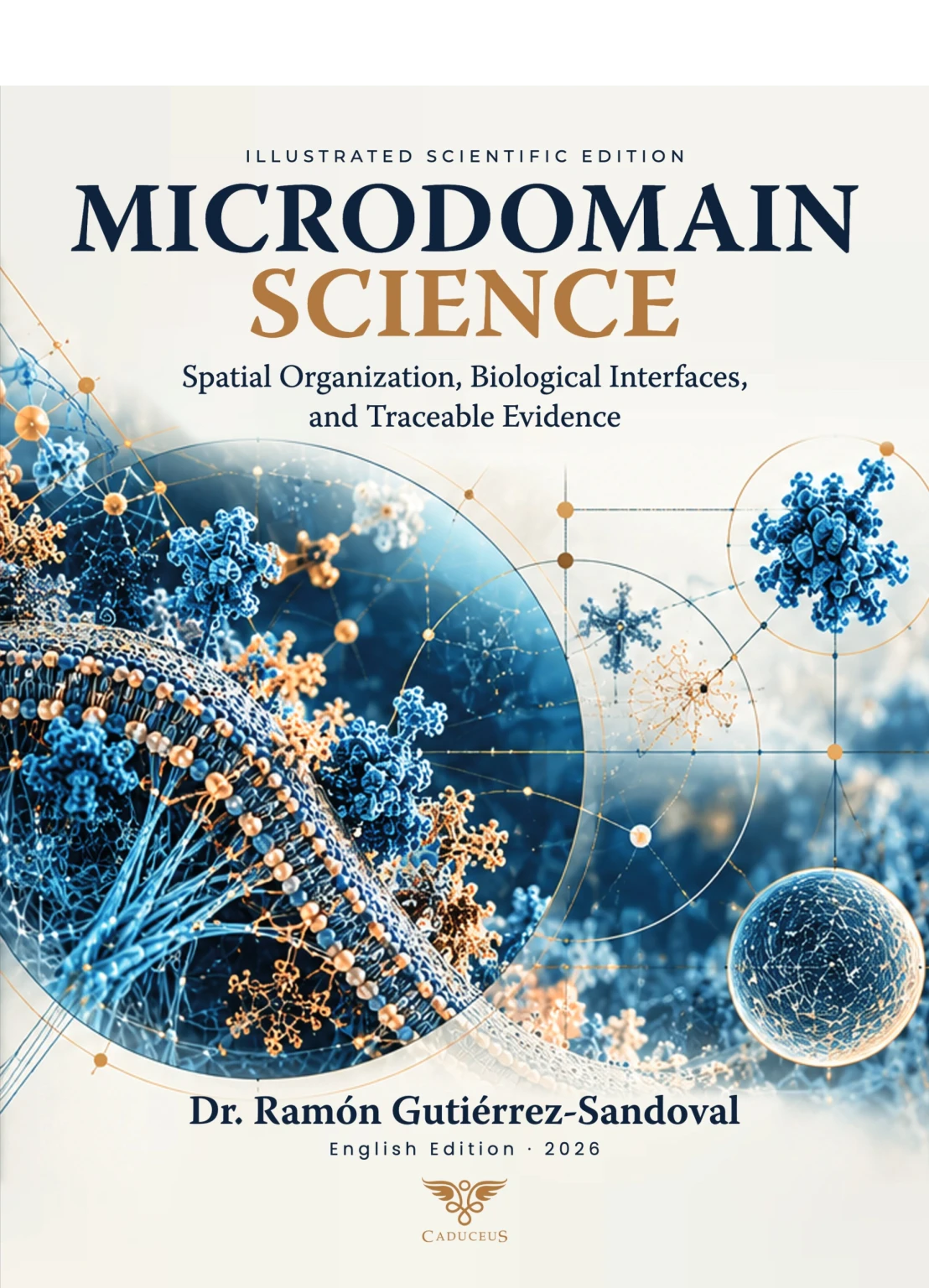
Microdomain Science. Spatial Organization, Biological Interfaces, and Traceable Evidence
Ramón Gutiérrez Sandoval · Chile
- Páginas
- 232
- Medidas
- 21,6 × 27,9 cm
- Encuadernación
- Rústico
- Año
- 2026
- Edición
- Primera
- Género
- Académico y técnico
Sinopsis
Cellular Organization: Understanding the Architecture of Biological Function
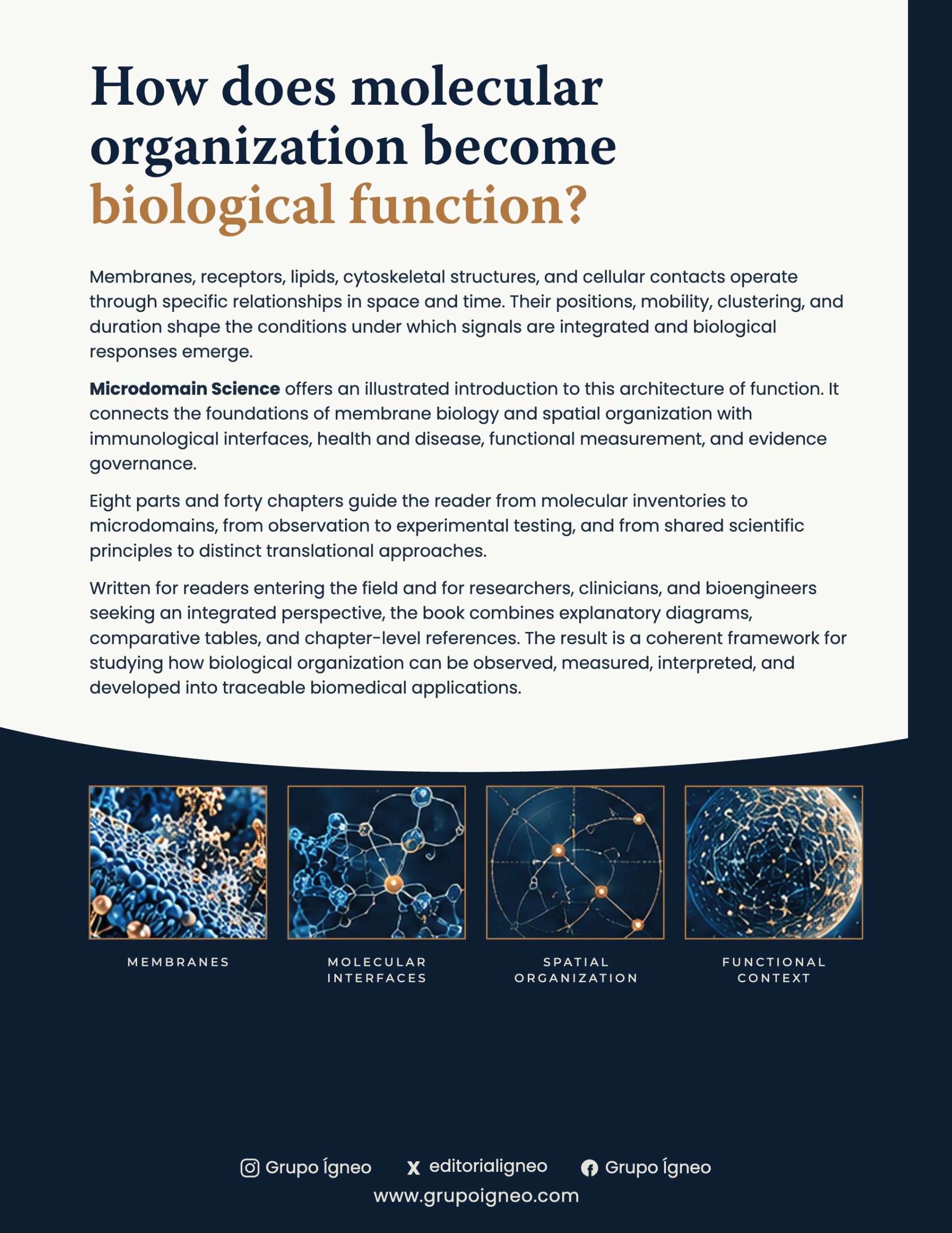
Cellular organization plays a fundamental role in how biological systems communicate, respond, and maintain their functions. In Microdomain Science, readers explore the spatial and temporal relationships that shape molecular interactions. The book offers an illustrated introduction to membrane biology, cellular signaling, and biomedical research.
Membranes, receptors, lipids, and cytoskeletal structures interact through precise arrangements. Their positions, mobility, and clustering influence how cells process information. Therefore, understanding these relationships is essential for interpreting biological responses.
The book examines how molecular components form microdomains and specialized cellular interfaces. It also explains how spatial organization influences signaling mechanisms and functional interactions. Moreover, it connects these principles with immunology, health, and disease.
Organized into eight parts and forty chapters, Microdomain Science provides a structured exploration of biological complexity. Readers move from molecular foundations to experimental observation and functional measurement. Each section introduces concepts that support a deeper understanding of cellular behavior.
The study of cellular organization also requires reliable experimental methods. For this reason, the book addresses measurement techniques, evidence interpretation, and scientific validation. These approaches help researchers examine how biological structures influence cellular functions.
Additionally, the work explores connections between membrane biology and biomedical applications. It highlights the importance of integrating scientific knowledge across different disciplines. As a result, readers gain a broader perspective on biological research and translational opportunities.
Designed for students, researchers, clinicians, and bioengineers, the book combines explanatory diagrams, comparative tables, and chapter-level references. These resources make complex concepts more accessible while supporting scientific analysis.
Furthermore, Microdomain Science emphasizes the importance of connecting experimental observations with biological interpretation. Its multidisciplinary approach encourages the development of traceable and evidence-based biomedical applications.
Ultimately, this book presents cellular organization as a central element of biological function. It provides a framework for understanding how molecular arrangements shape cellular responses and scientific discoveries.
A comprehensive scientific resource for exploring the relationships between biological structures, functional measurement, and biomedical innovation.
Del mismo autor
Otros libros de Ramón Gutiérrez Sandoval
 Breakthrough in Cancer Immunotherapy. Personalized Exosome-Based Immunotherapy PlatformRamón Gutiérrez SandovalChile20.00 USD
 Inmunoterapia DEX en el Tratamiento Avanzado del Cáncer: Guía de Tratamientos PersonalizadosRamón Gutiérrez SandovalChile80.00 USD
 Biopsia Estratégica al Cáncer: Puntos Débiles para Vencer al CáncerRamón Gutiérrez SandovalChile20.00 USD
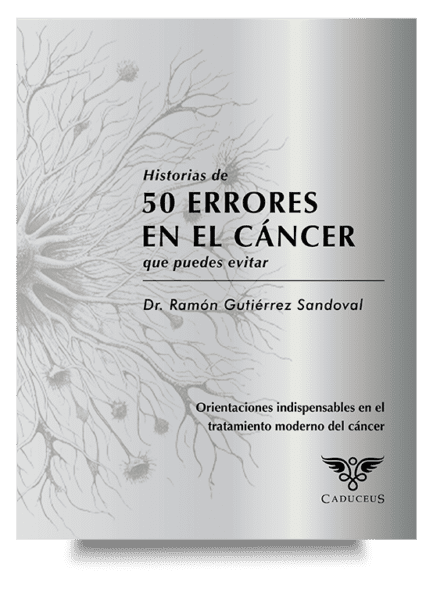 Historias de 50 errores en el cáncer que puedes evitarRamón Gutiérrez SandovalChile20.00 USD
Académico y técnico
Si te gusta este libro
 Producción de bioabonos orgánicos-NutribiolVarios autoresPerú19.99 USD
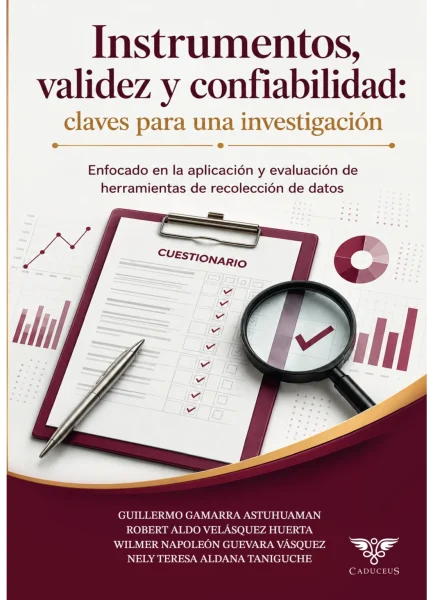 Instrumentos, validez y confiabilidad: claves para una investigación. Enfocado en la aplicación y evaluación de herramientas de recolección de datosVarios autoresPerú39.99 USD
 El libro del pintor. El mejor acompañante. Guía efectiva para recubrimientos anticorrosivosGerardo Reyes LópezMéxico15.99 USD
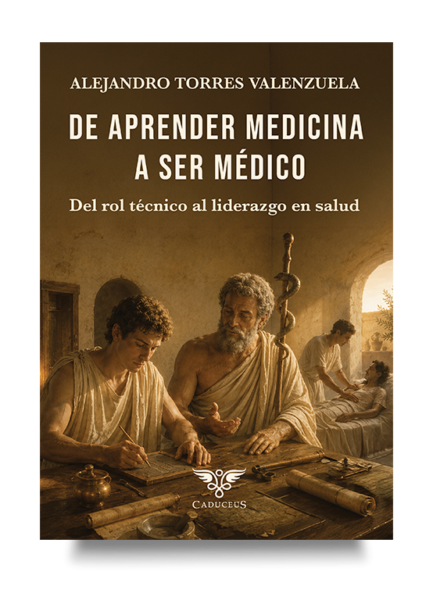 De aprender medicina a ser médico. Del rol técnico al liderazgo en saludAlejandro Torres ValenzuelaMéxico21.99 USD