

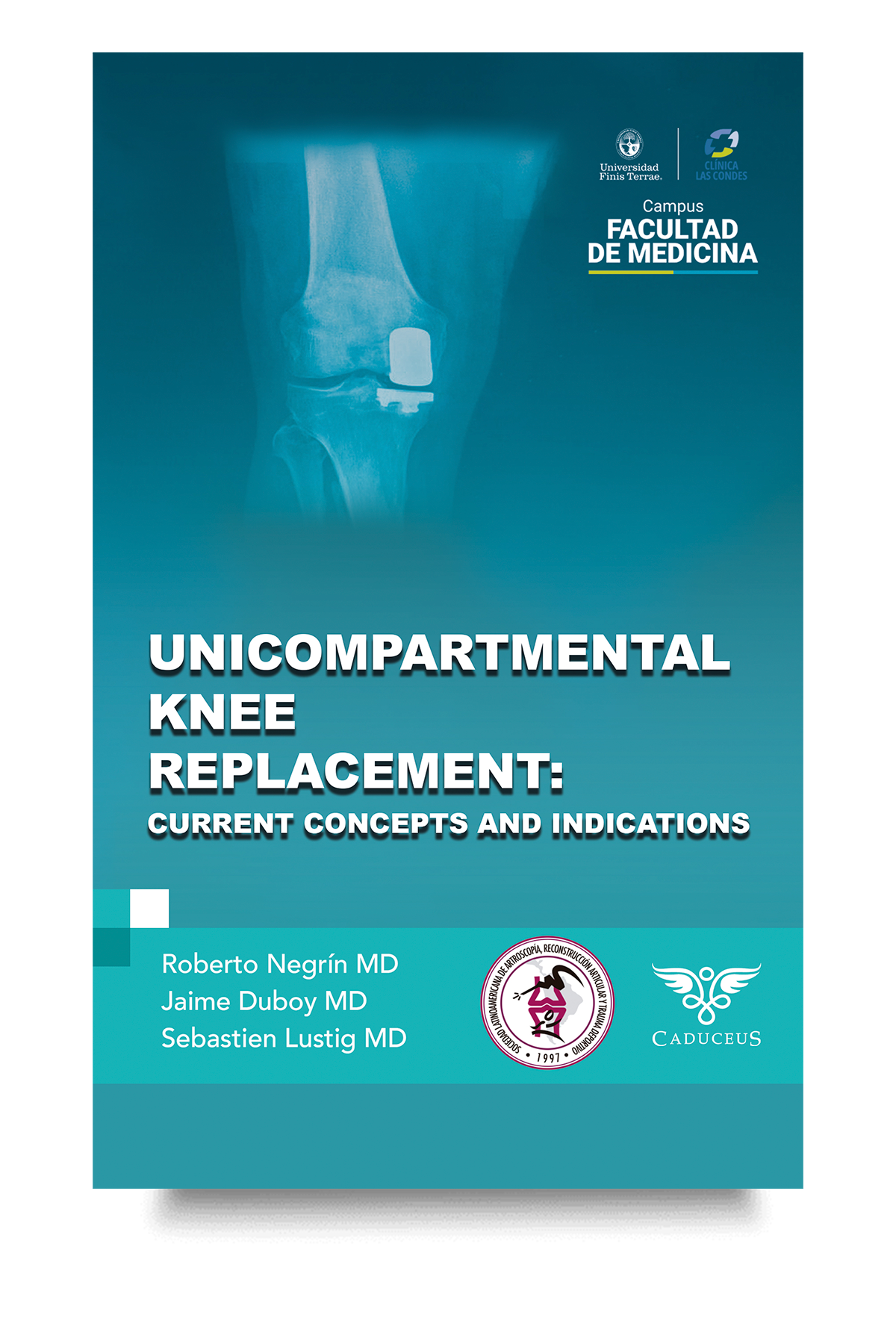
Evidence-Based Advances in partial knee replacement
Unicompartmental knee replacement has become a dependable and minimally invasive alternative to total knee arthroplasty in appropriately selected patients. Today, partial knee replacement techniques emphasize precision, anatomical alignment, and functional preservation.
This book delivers a structured and evidence-based analysis of contemporary practice. It combines biomechanical foundations with international registry data to strengthen surgical decision-making. As a result, readers gain both theoretical insight and practical clarity.
Moreover, the text carefully details patient selection criteria and surgical indications. Appropriate selection remains fundamental to successful partial knee replacement outcomes. The authors also examine both fixed-bearing and mobile-bearing designs, explaining their mechanical principles and clinical implications.
In addition, radiographic evaluation and perioperative management receive focused attention. Accurate imaging, alignment control, and joint line restoration are critical to long-term implant survivorship. The book further explores complication prevention, mechanisms of failure, and revision strategies.
Importantly, robotic-assisted surgery is presented as a transformative development in partial knee replacement. Enhanced precision improves reproducibility and supports optimal anatomical restoration.
More than a surgical manual, this work serves as both an academic reference and a practical clinical guide. It ultimately supports improved outcomes and refined surgical judgment in modern knee reconstruction.